
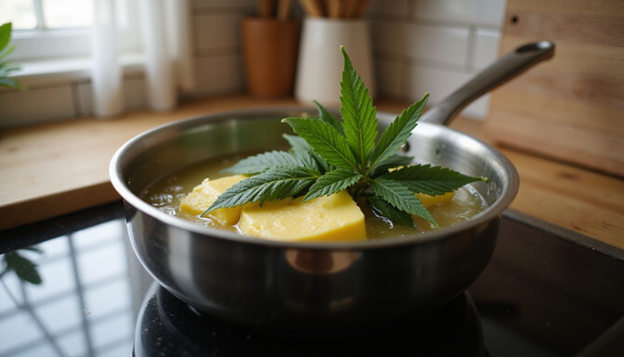
Many people want to make weed butter but find the process confusing. Weed butter is a popular way to enjoy cannabis in edibles and baking at home High Quality Pheonix Tears in Canada. This guide will show you easy steps, helpful cooking techniques, and tips for better infusion, dosage, and storage.
Key Takeaways
- Gather all tools and ingredients before starting. Use one cup of unsalted butter for each ounce (28 grams) of cannabis to control potency.
- Pick high-quality, fresh cannabis with bright colours and pleasant scent for stronger flavour and effects. Try different strains to match your needs.
- Decarboxylate weed at 240°F (115°C) for 40 minutes before adding it to melted butter. This step activates the THC in the cannabis.
- Strain cannabutter using cheesecloth or a fine mesh to remove plant bits. Store finished butter in an airtight container in the fridge (up to two weeks) or freezer.
- Calculate dosage by dividing total THC content by serving number, such as cookies or brownies, so you know how strong each edible will be.
Steps for Making Weed Butter at Home
Making weed butter at home is simple and fun. Follow the steps carefully to ensure a great outcome.
Gather tools and ingredients
To make weed butter, start by gathering your tools and ingredients. You will need a stove, a saucepan, a strainer or cheesecloth, and an airtight container for storage. Unsalted butter is essential for infusion. Choose high-quality cannabis for the best results; both trim and concentrates can work well.
Measure out your ingredients carefully to ensure proper dosing in your edibles. A good starting point is one cup of unsalted butter to one ounce of cannabis. This ratio helps you control the potency of your cannabutter effectively.
Choose high-quality weed
Gathering the right tools and ingredients sets the stage for making weed butter. Choosing high-quality weed makes a huge difference in your final product. Look for cannabis that smells fragrant and appears fresh.
Check for vibrant colours, avoiding any brown or dried-out leaves. Quality weed typically contains higher levels of cannabinoids like THC, enhancing both flavour and potency.
Select strains that best suit your taste and desired effects. Some users prefer strains with a higher THC content while others may opt for balanced ratios of CBD to THC. Experimenting with different strains can lead to exciting results in your cannabutter infusion process.
Preheat and infuse the butter
Start by preheating your oven to 240°F (115°C). This temperature helps in the decarboxylation process, which activates cannabinoids in cannabis. Break up your high-quality weed into small pieces.
Next, combine the unsalted butter with water in a saucepan. Heat this mixture on low heat until the butter melts completely. Add the decarboxylated cannabis to the melted butter, stirring well.
Maintain low heat over several hours while mixing occasionally; this infusion allows you to extract those potent cannabinoids effectively from your weed.
Cook with the cannabutter
Cannabutter adds a tasty twist to your dishes. Use it in baking or cooking for extra flavour and effects from cannabinoids. Replace regular butter with cannabutter in recipes like cookies or brownies. Adjust the amount depending on your desired potency.
Calculate dosage
After you cook with the cannabutter, it’s time to calculate your dosage. Start by knowing the potency of your cannabis. If you used 1 gram of weed with a THC content of 20%, each cookie or treat will have a different amount of THC based on how many servings you make.
Tips and Techniques for Making the Best Weed Butter
To create the best weed butter, focus on using a fat with high content. Properly strain and store your butter to maintain its potency and freshness.
Use a fat with high content
Choosing a fat with high content plays a crucial role in making weed butter. Unsalted butter works well because its high-fat level helps extract cannabinoids during infusion. Other options include coconut oil or ghee, both of which offer similar benefits for cannabis infusion.
Using fats rich in flavour also enhances your edibles. People often prefer these fats for baking or cooking because they blend seamlessly into recipes. The right fat not only ensures efficient decarboxylation but also elevates the taste of your final product.
Strain and store properly
Strain your weed butter carefully. Use a fine mesh strainer or cheesecloth to remove any plant material. This step keeps your cannabutter smooth and potent. After straining, pour the butter into an airtight container for storage.
Storing at the right temperature maintains the cannabinoids’ effectiveness. Protect your cannabutter from light and heat. This way, you preserve its quality over time. Now that you have perfect weed butter, explore fun recipes where you can cook with it!
Experiment with different recipes
Experimenting with different recipes can make your weed butter unique and enjoyable. Try using cannabutter in treats like cookies, brownies, or even pasta sauces. Each recipe allows you to explore new flavours and effects from the cannabinoids in cannabis.
Use various herbs and spices to elevate your creations. Adding garlic or rosemary can enhance savoury dishes, while vanilla or cinnamon works well for sweet treats. Adjust the dosage based on how strong you want each edible to be.
FAQs
1. What is decarboxylation, and why do I need it for making cannabis butter?
Decarboxylation changes cannabinoids in cannabis into a form your body can use. This step activates THC and CBD before you start the infusion with unsalted butter.
2. How do I pick the right strain for weed butter at home?
Strain selection matters because each type of cannabis contains different levels of cannabinoids. Choose based on your preferred effects and flavour profile.
3. What kitchen tools are best for infusing cannabis into butter?
You need a saucepan or slow cooker, a fine strainer, measuring cups, and mixing spoons to handle infusion and measurement during cooking.

