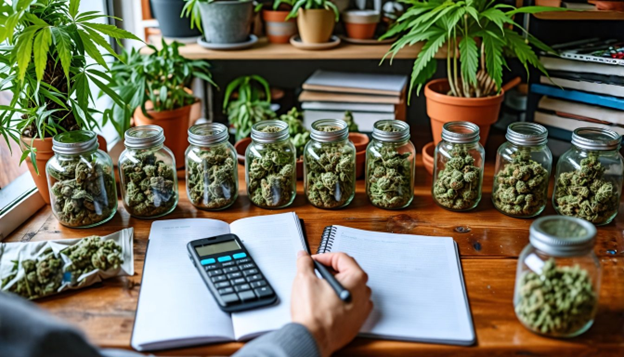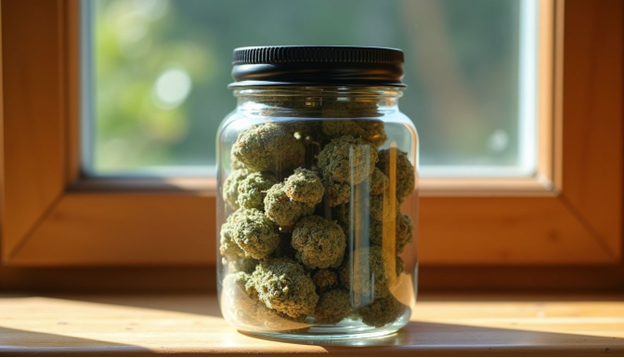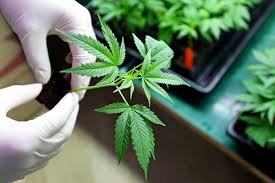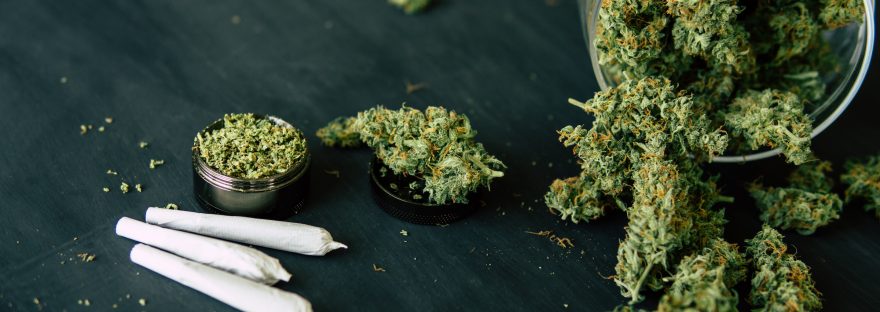
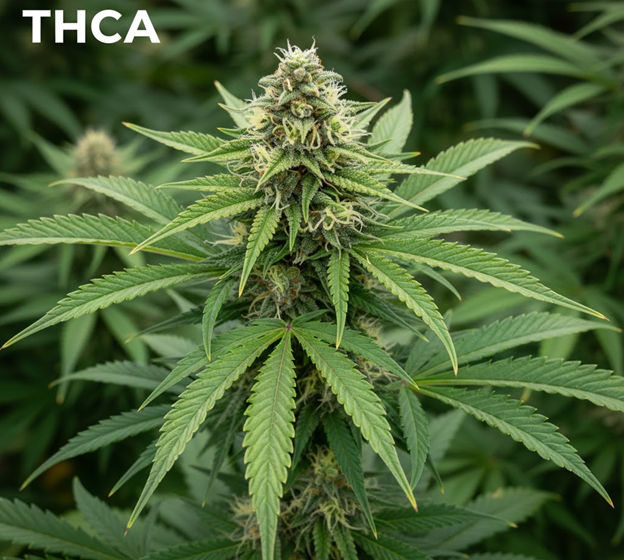
In the nuanced world of cannabis, where new discoveries continually reshape our understanding, THCA (Tetrahydrocannabinolic Acid) has emerged as a cannabinoid of significant interest by 2026. Often overshadowed by its famous derivative, THC, THCA is the raw, non-intoxicating precursor found abundantly in live and uncured cannabis plants. Its growing recognition is due to a distinct range of potential therapeutic benefits that are entirely different from the psychoactive effects associated with traditional THC. Understanding THCA is key to appreciating the full therapeutic spectrum of the cannabis plant Where to Buy THCA Flower.
What is THCA? The Raw Truth About Cannabis
THCA is an acidic cannabinoid, one of the most prevalent cannabinoids found in the raw cannabis plant. It is structurally similar to THC, but with an extra carboxyl group (-COOH) attached. This seemingly small difference is crucial: this additional group prevents THCA from binding effectively to the CB1 receptors in the brain, which are responsible for the psychoactive “high.”
The transformation of THCA into THC occurs through a process called decarboxylation. This typically happens when cannabis is exposed to heat, such as:
- Smoking or Vaping: Instantaneous heat converts THCA to THC.
- Baking or Cooking: Sustained heat over time (e.g., making edibles).
- Curing and Drying: Even ambient temperatures over extended periods can slowly decarboxylate THCA.
Therefore, consuming raw cannabis (e.g., juicing leaves, adding raw flower to salads) allows you to ingest THCA without experiencing any intoxicating effects.
The Distinct Therapeutic Potential of THCA in 2026
While research on THCA is still evolving in 2026, initial studies and anecdotal evidence suggest a promising array of potential health benefits that are distinct from those of THC:
1. Anti-Inflammatory Properties
THCA has shown significant anti-inflammatory potential, possibly even surpassing that of CBD in some contexts. This makes it a subject of interest for conditions involving chronic inflammation, such as arthritis, lupus, or even neuroinflammatory disorders.
2. Neuroprotective Qualities
Early research indicates that THCA may have neuroprotective properties, meaning it could help protect brain cells from damage. This area of study is particularly exciting for degenerative neurological diseases.
3. Anti-Emetic Effects (Anti-Nausea)
Similar to THC, THCA has shown promise as an anti-emetic, helping to reduce nausea and stimulate appetite. This could be particularly beneficial for patients undergoing chemotherapy or those with appetite-suppressing conditions.
4. Anti-Proliferative Effects
Some studies suggest THCA might inhibit the proliferation of certain cancer cells, opening avenues for future cancer research. It’s crucial to note that this is still in preliminary stages and not a substitute for conventional cancer treatments.
5. Pain Management
While not causing a psychoactive high, THCA may contribute to pain relief through its anti-inflammatory actions and interaction with pain pathways.
The non-intoxicating nature of these benefits makes THCA an attractive option for patients who require therapeutic relief but wish to avoid the cognitive or euphoric effects of THC.
Consuming THCA: Beyond Decarboxylation
For those looking to benefit specifically from THCA, maintaining its acidic form is key. In 2026, popular methods for consuming raw THCA include:
- Juicing Raw Cannabis: Fresh, raw cannabis leaves and flowers can be juiced, providing a potent dose of THCA, along with other cannabinoids and terpenes, without any psychoactive effects.
- Smoothies: Adding raw cannabis flower or leaves to a daily smoothie is another excellent way to incorporate THCA into your diet.
- Tinctures and Topicals: Some specialized tinctures and topical products are formulated to preserve THCA, offering localized or sublingual administration of the raw cannabinoid.
- Raw Flower Consumption: While not as common, some individuals will eat small amounts of fresh, uncured cannabis flower.
It’s vital to remember that if you apply heat to these products, the THCA will convert to THC.
Ensuring Quality and Purity of THCA Products
As interest in THCA grows, so does the market for specialized products. When sourcing THCA, especially if it’s in a raw or extracted form, ensuring quality is paramount:
- Third-Party Lab Testing (COA): Always demand a Certificate of Analysis (COA) from an independent, ISO-accredited laboratory. This report should confirm:
- THCA Potency: Verify the stated amount of THCA and ensure minimal THC content (unless it’s a product designed for eventual decarboxylation).
- Purity Screenings: Ensure the product is free from pesticides, heavy metals, mold, and residual solvents. These stringent standards are akin to those for a research grade peptide, guaranteeing a clean and safe product.
- Source Material: Look for products derived from organically grown, high-quality hemp or cannabis, free from contaminants.
- Freshness: For raw THCA, freshness is critical to prevent premature decarboxylation.
Conclusion
THCA stands as a testament to the incredible versatility of the cannabis plant. By 2026, it is no longer just a precursor to THC but a recognized cannabinoid with its own unique and significant therapeutic potential, offering powerful anti-inflammatory, neuroprotective, and anti-nausea benefits without intoxication. As research continues to unfold, THCA is set to play an increasingly important role in the landscape of natural wellness, providing a valuable option for those seeking the profound healing properties of raw cannabis.